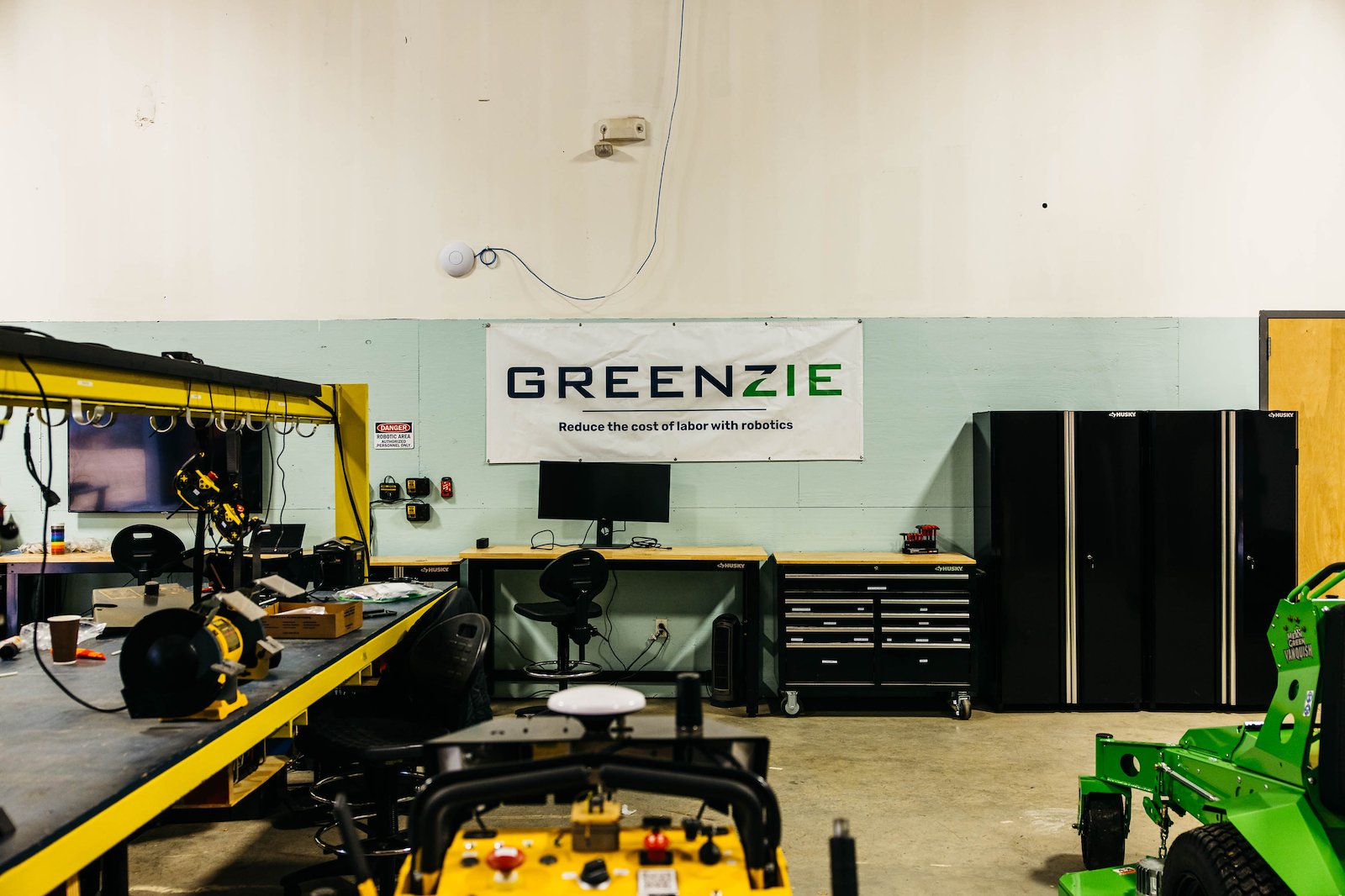
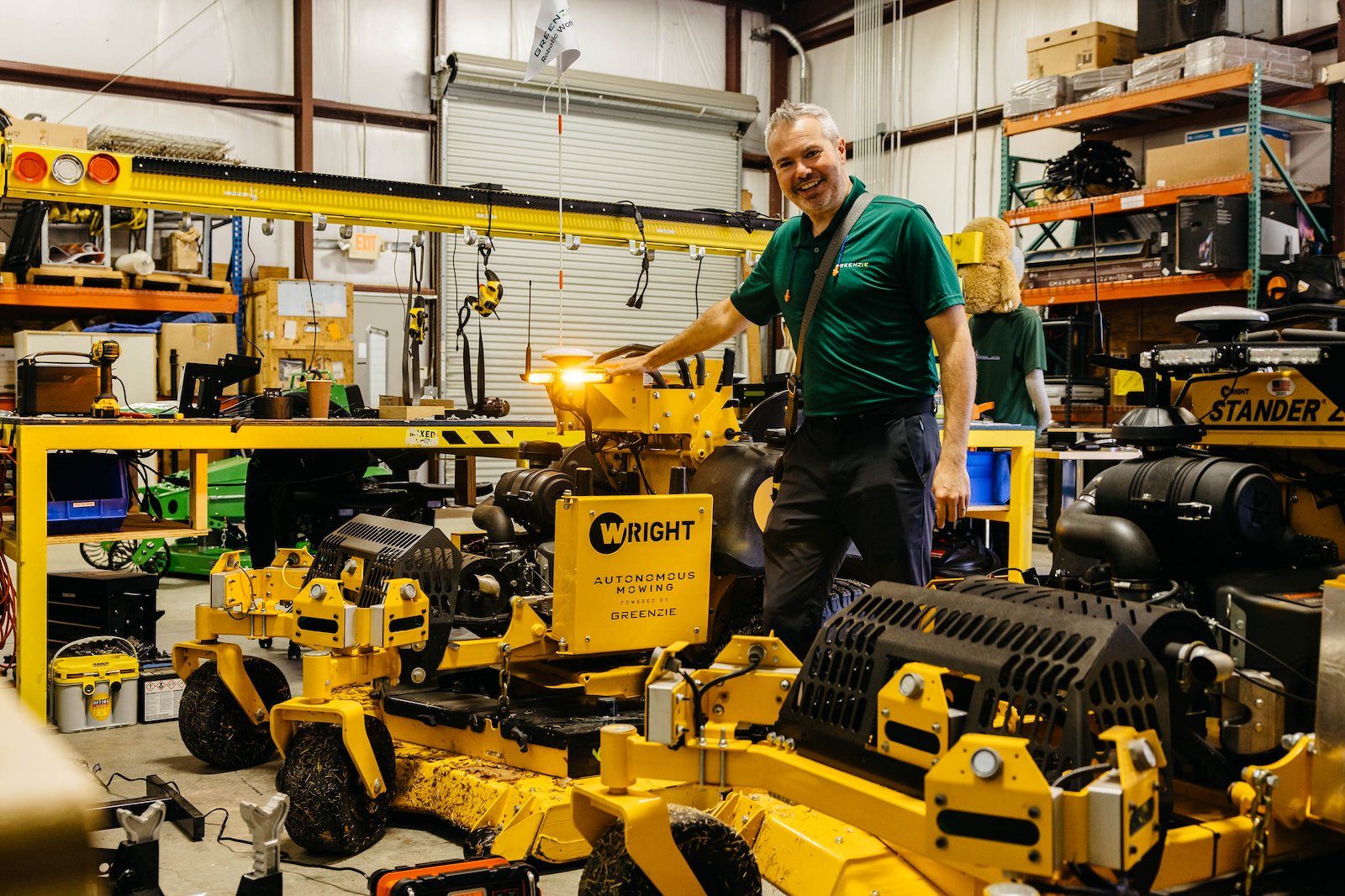
Tucked away in the back corner on Atlanta’s west side is a discreet warehouse metamorphosed into a lab. Traditionally, loading crates and warehouse space would house anything from consumer goods to lumber. Now these walls lodge robots and their inner anatomy.
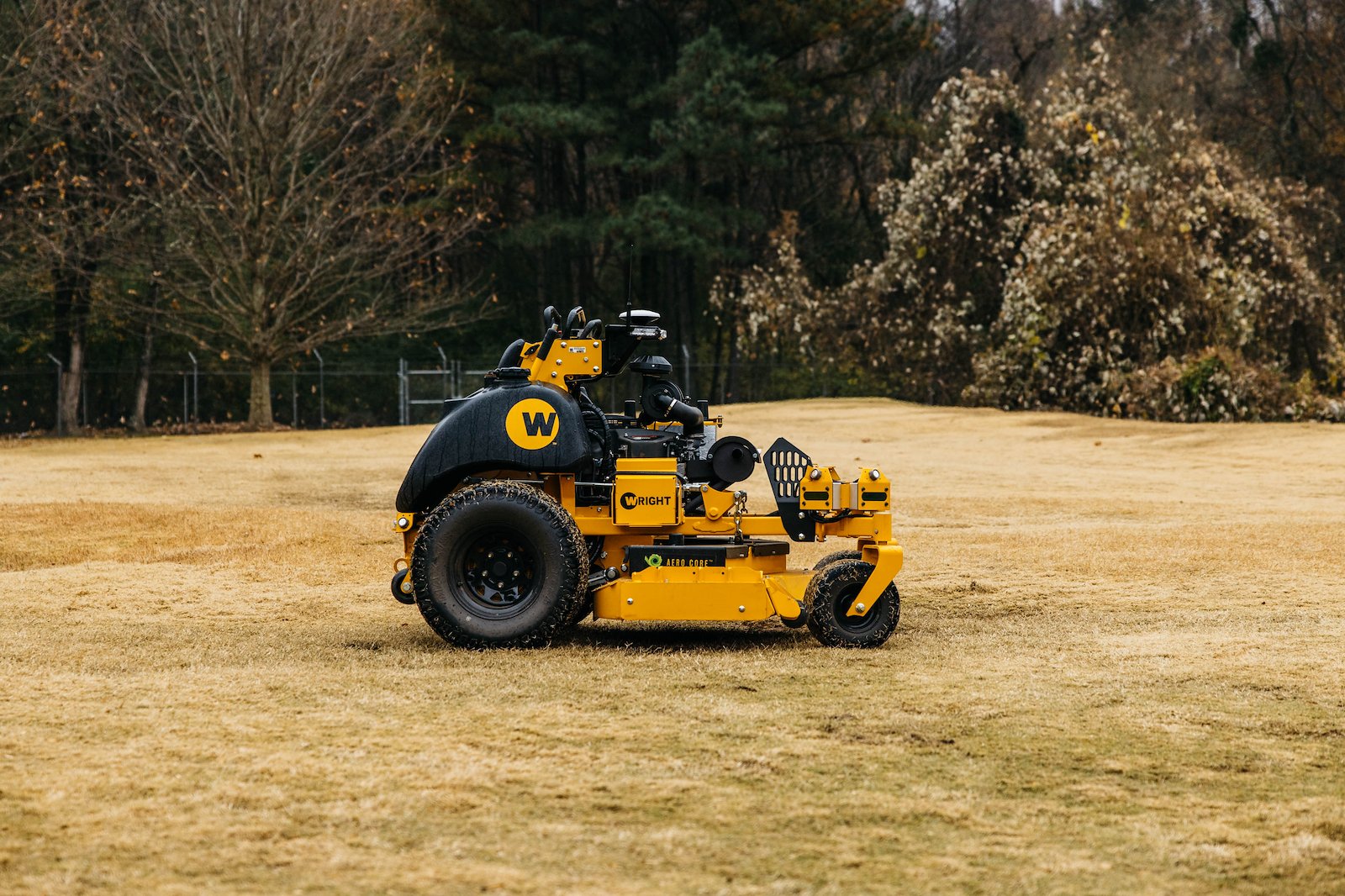
In this lab, a team of focused engineers work on their masterpiece. Software and hardware married together on Wright’s 72” Stander ZK is a work of art in its own right. Our last interview with Greenzie CEO, Charles Brian Quinn (CBQ), two years ago included bold predictions. Time flew through a pandemic and so did Greenzie’s progress. We left off with a hijacked and homemade Exmark mower used to validate an early Greenzie assumption: commercial mowers can be made autonomous. Today, “Robotic Ready™” mowers are on the line of the industry’s leading and most innovative manufacturer, LOI’s for over 2,000 robotic workers have been signed by several of the country’s largest lawn maintenance companies, and demand for more autonomous mowers seemingly spans decades ahead.
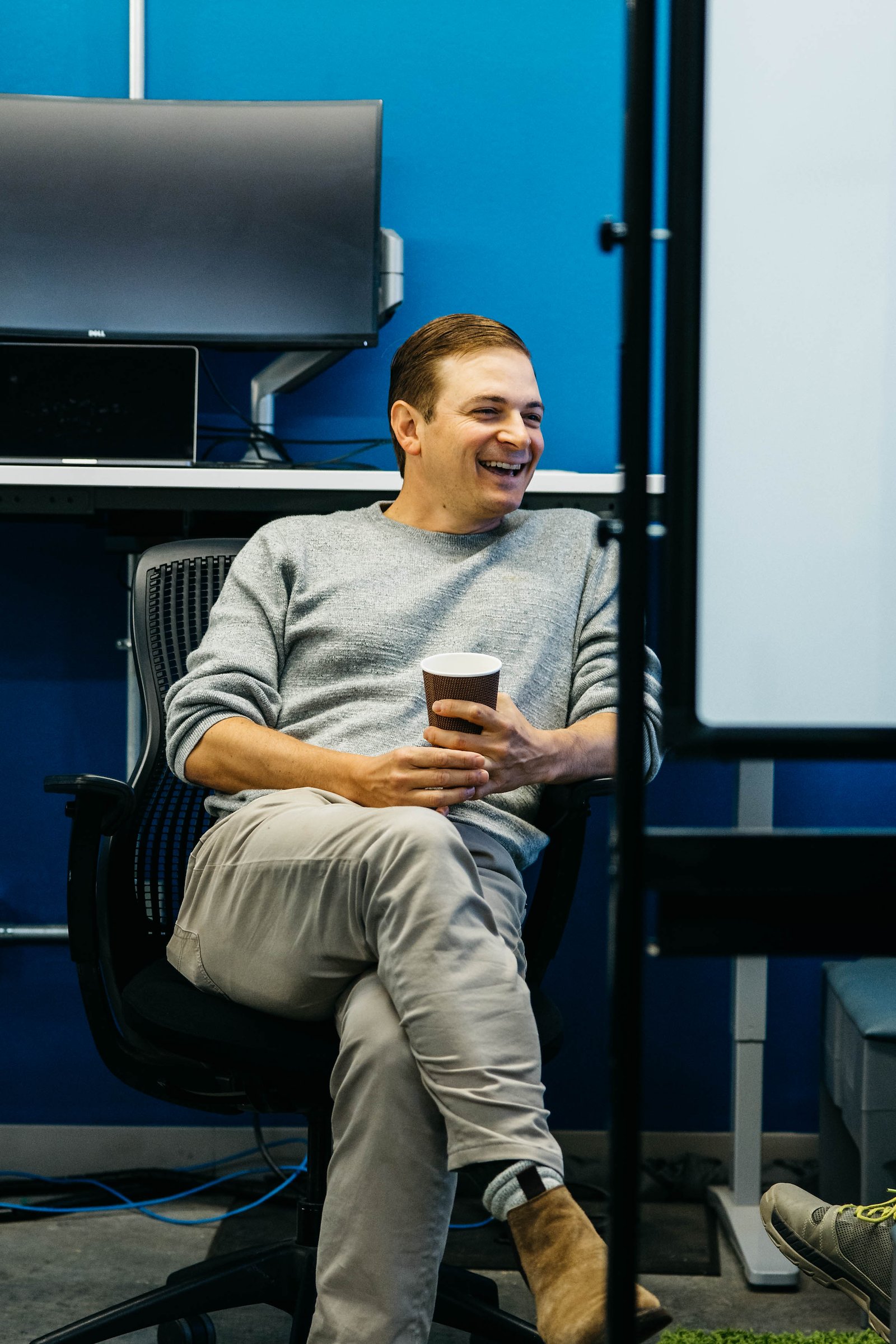
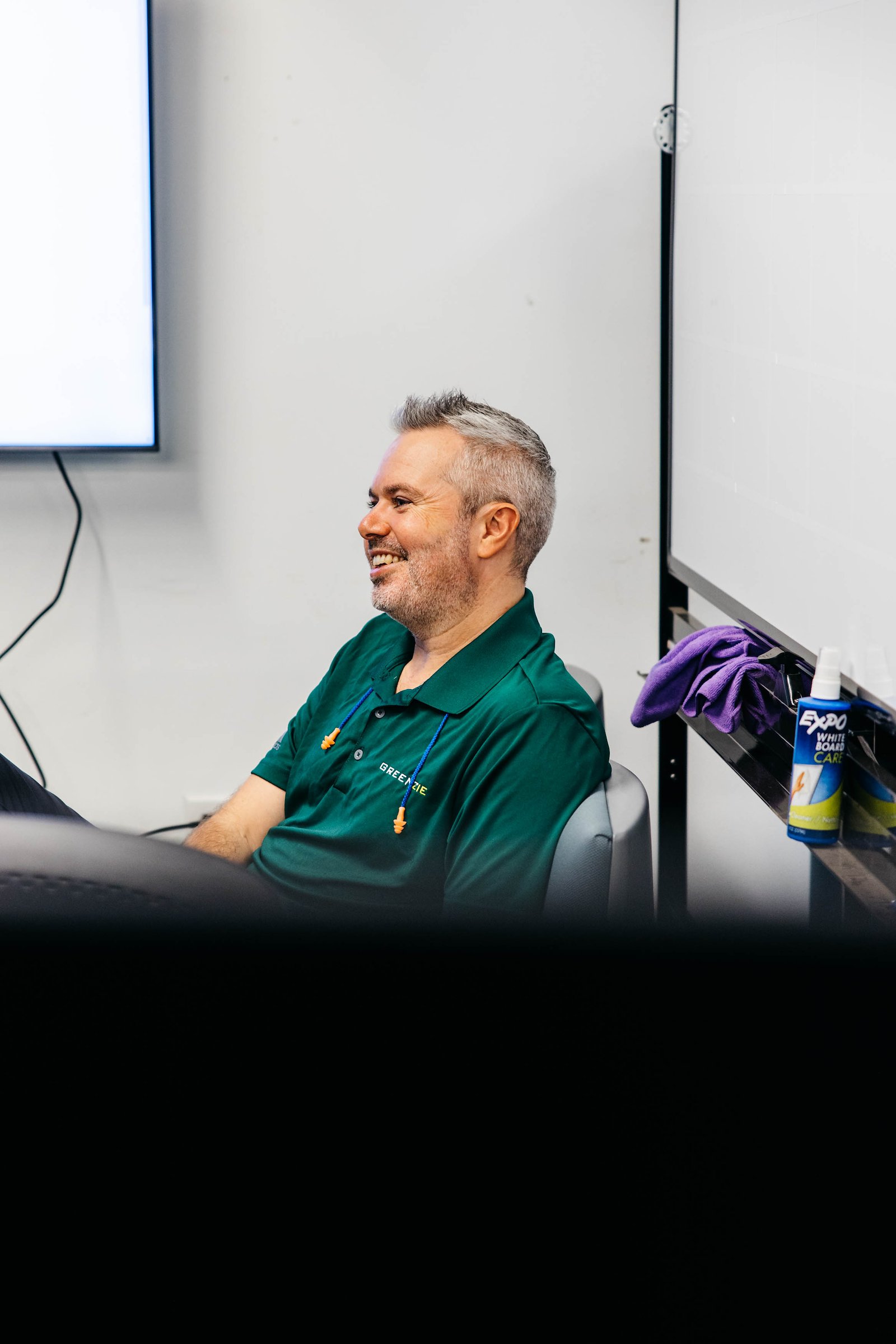
Here is where we find CBQ, in the lab, with a dedicated team serving customers, improving products, and shifting perspectives in the green industry.
Jon Birdsong: We left off two years ago. We were 10 months into the business and there were a few hypotheses validated.
Charles Brian Quinn: Correct. We have proved it is possible to automate commercial lawn mowers, put them in the field with our customers, and generate substantial ROI.
JB: How did y’all do that?
CBQ: We call it the “Robotic Ready™” program. The Wright Manufacturing Stander ZK is the first Robotic Ready™ mower on the market. They are available through the dealer networks all over the U.S. – in limited quantities at the moment. Robotic Ready™ mowers are traditional mowers with a few more nuts, bolts, sensors, cameras, and of course software to empower it to be an autonomous “robotic worker”.
JB: When we last left off, Wright Manufacturing was not even in the picture. How did that partnership come to fruition?
CBQ: Very serendipitously. Ed Wright, the CEO of Wright Manufacturing, filled out our contact form.
(Both laugh)
As do several landscapers everyday. Ed reached out and said: “I’ve been watching your YouTube videos” … and by the way, Ed is a well respected resource and industry-celebrity on Youtube. So he says, “I’ve been watching your videos and I have come to the same independent conclusion that you have, that the next big labor productivity will be in self driving lawn maintenance equipment.”
This was just over two years ago. Naturally we were super excited because Wright Manufacturing is the best. They only do commercial landscaping – nothing residential. They focus on labor productivity. They invented the stand-on category. If you think about the most innovative, category-defining outdoor power equipment in the lawn maintenance space, Wright Manufacturing is it.
So for them to come to us and say that meant a great deal.
JB: What did Wright Manufacturing do to reposition their strategy and ultimately execute on their autonomous mowing program?
CBQ: Ed and the team at Wright Manufacturing are brilliant but also practical. It took a while and they needed a lot more proof besides some Greenzie YouTube videos and an email exchange. They needed to see it, needed to feel it, needed to believe it, and they needed to know how it worked. They dove in head first and have committed a massive amount of brain power and resources.
We’ve moved from their small R&D area, to the production line, and they’ve put together immense resources around their customers’ needs. This process is not new to them either. Greenzie and Wright align so well around our mutual obsession to satisfy customers needs, wants, and desires.
JB: Did Greenzie get paying customers first or did you partner with Wright Manufacturing first?
CBQ: We got the customers first, and Wright quickly after. We realized that in order to prove the model, we needed to do both. We needed to go get the big end user fleet landscapers who have drastic labor shortages and a manufacturer to equip sensors and our software.
JB: Examples of those landscapers would be…?
CBQ: The large companies like BrightView, Yellowstone, Juniper, Mainscape, U.S. Lawns.
JB: All of these companies are customers?
CBQ: Absolutely. Right now, we have a small fleet of twelve mowers. We intentionally did a limited production build to make sure we built the foundation correctly before scaling. We’ve deployed mowers across the U.S. including states like Arizona, Georgia, Florida, New York, New Jersey, Virginia, Texas, anywhere where grass grows on big commercial properties. We’ve gathered data, experience, and learnings for their fleets to be deployed in 2022.
But yes, these customers are using the product. We have fun documenting it on our Instagram which shows our mowers cutting grass in the Hamptons, in Texas, and even down near the Florida Keys.
Greenzie has done something which I believe is very hard and I have to remind myself of this constantly: we could have spent a long time in the lab, in stealth, perfecting everything first before showing it to anyone, but instead, we brought out early prototypes, mowed alongside our customers, and then gave it to our customers to use in the real world. This is harder, but the right way. It can seem easier to build in a lab.
“We brought out early prototypes, mowed alongside our customers, and then gave it to our customers to use in the real world. This is harder, but the right way.”
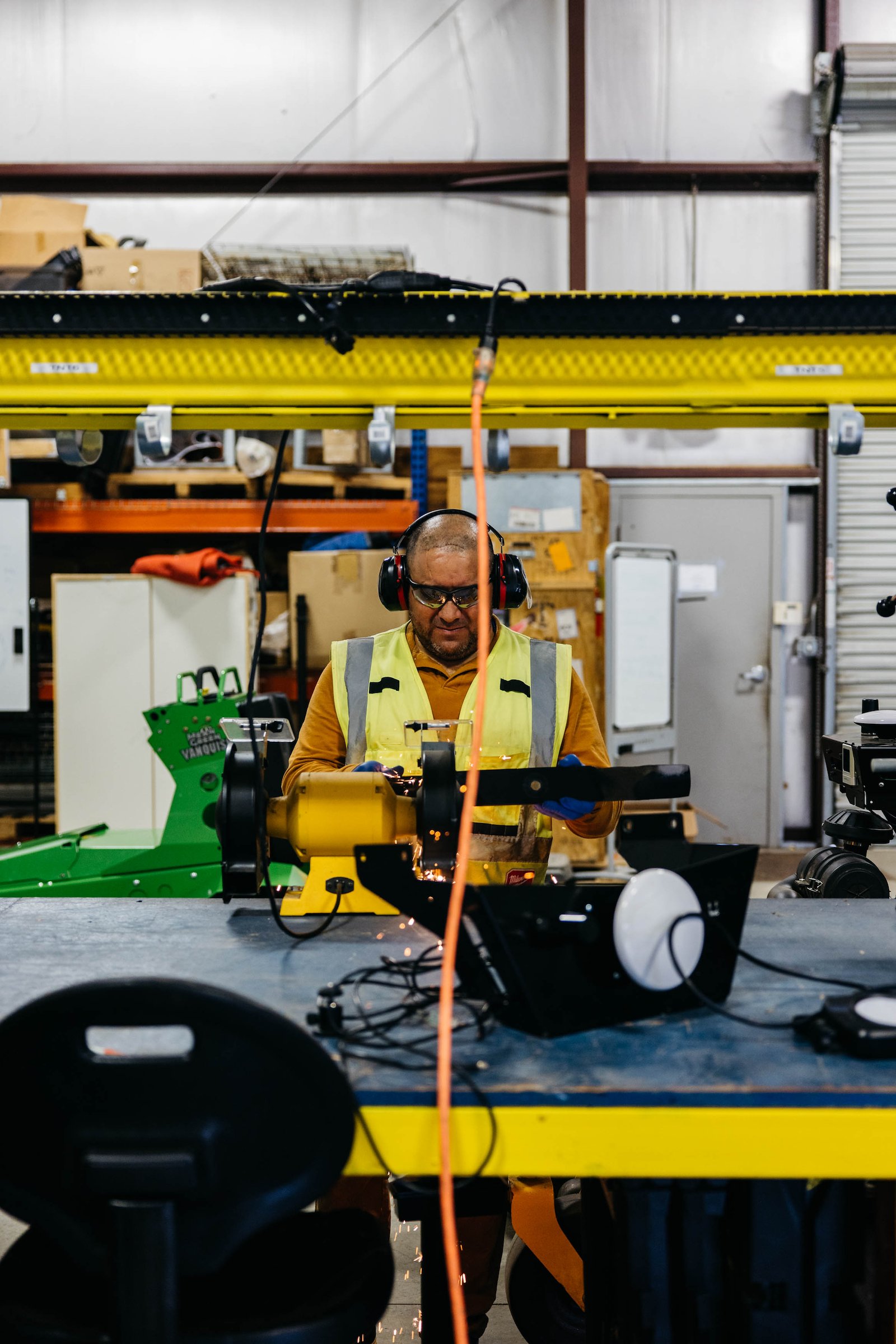
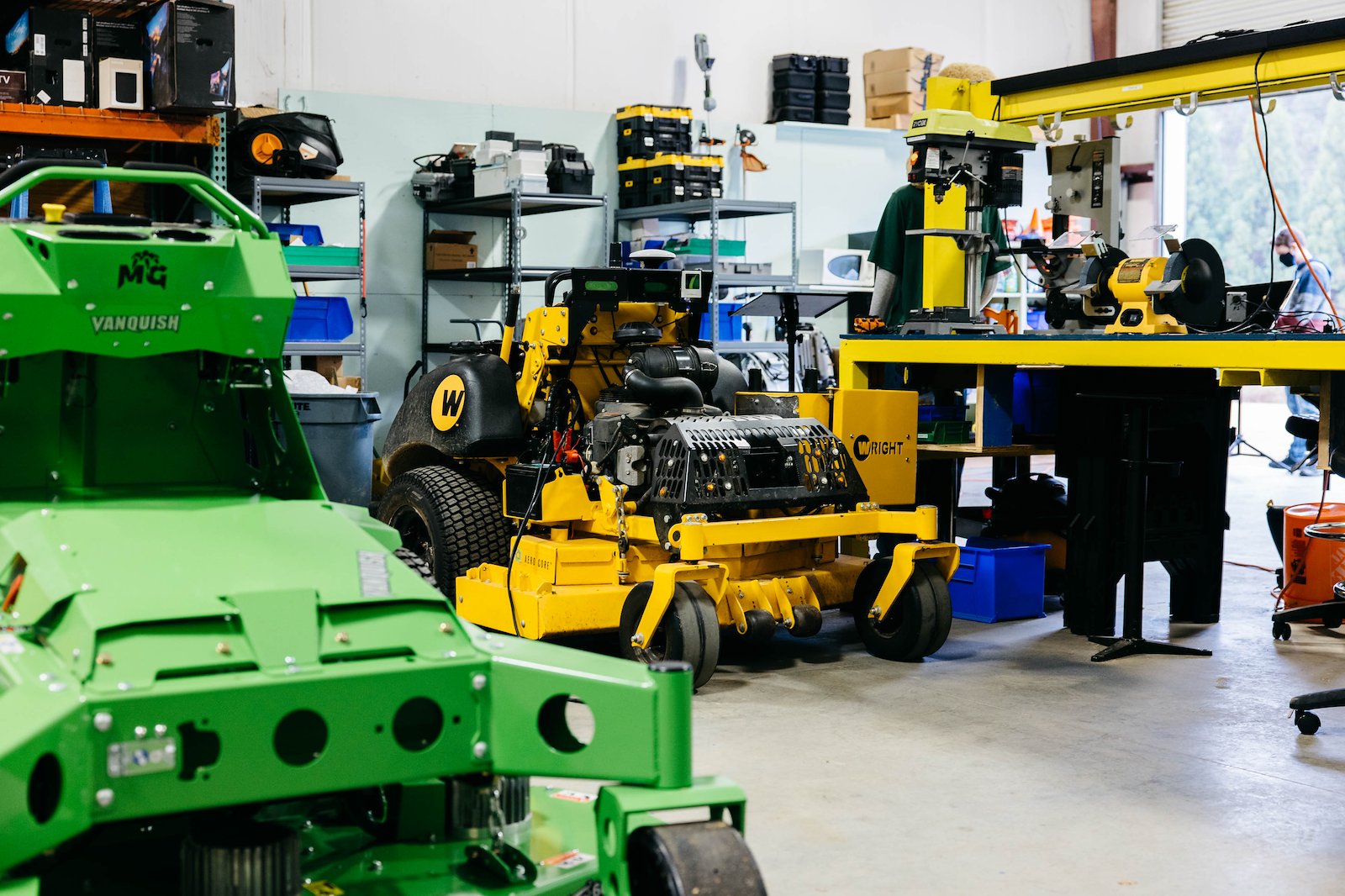
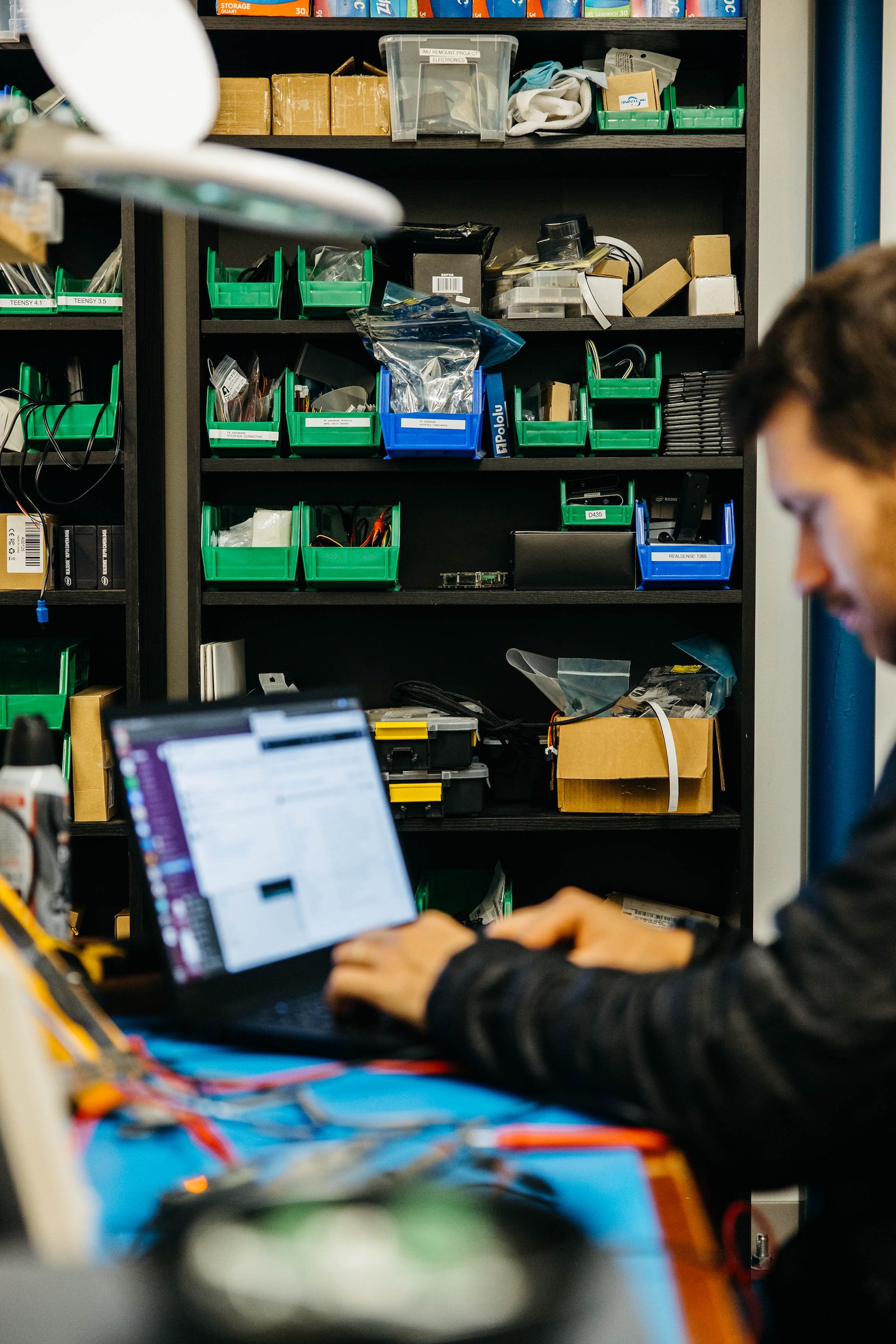
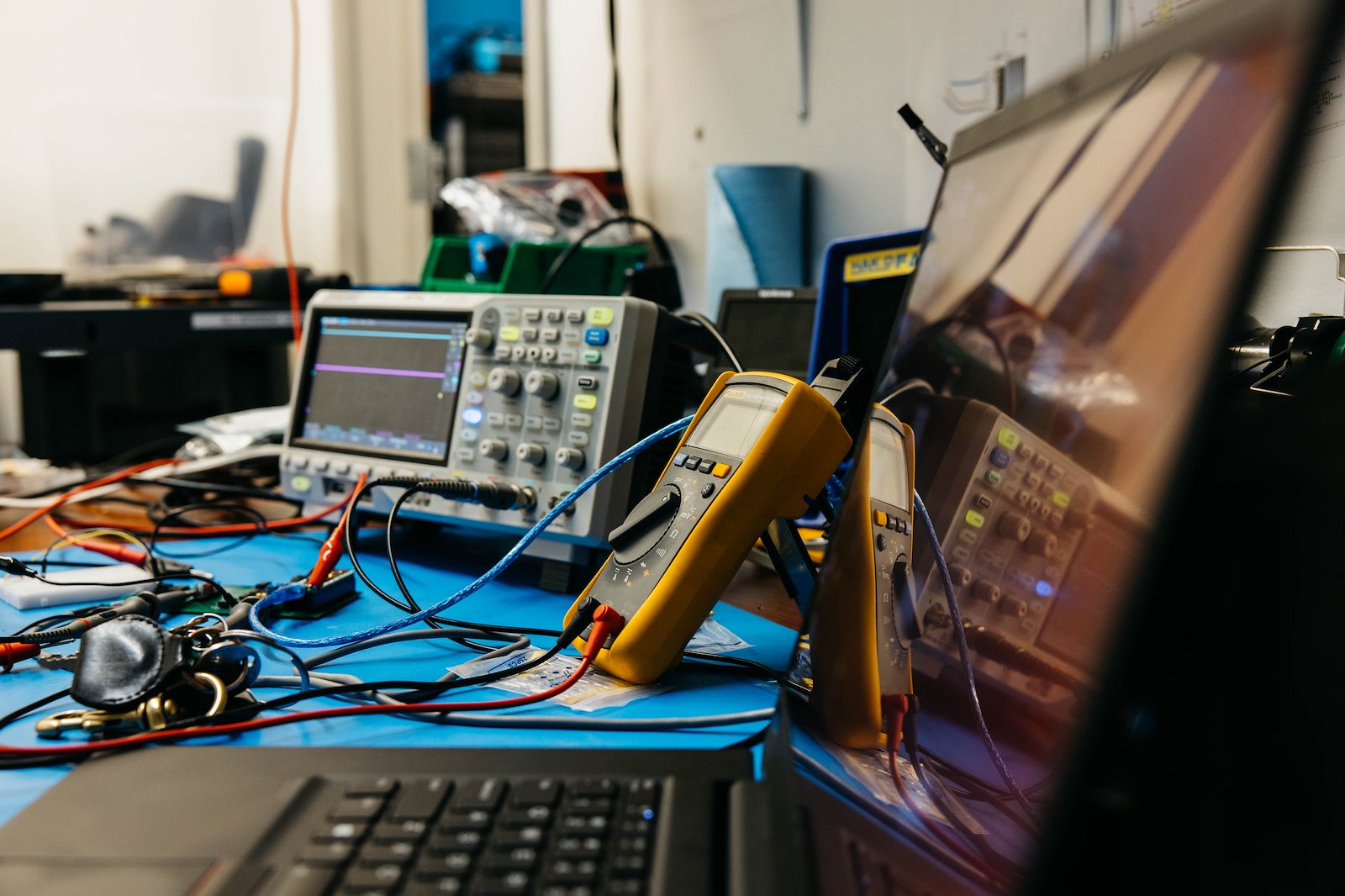
JB: This lab is extraordinary.
CBQ: You know, it is a fun place to do robotics and a great place if you want to free humans from repetitive, outdoor labor. We host teams like the RoboJackets, Georgia Tech’s competitive Robotics team, and several others. It is a fun spot.
But back to your question, we had to get customers and quickly partner with a manufacturer and time it right. We had to get end user landscapers and then get the manufacturers to upfit their mowers. If you remember, we first retro-fitted an existing mower with a conversion kit back in our first year of business to first do it ourselves. We even retro-fitted the latest and greatest commercial electric mowers, too. We proved that it could work, but putting a retro-fitted mower out in the real world didn’t go as planned. It is possible, but in terms of rugged, reliable, and sturdy, it’s just not the case, and the electric mowers just didn’t have the endurance or charging capabilities for back to back, long days in the field. We realized we had to leave the hardware part to the experts who have been doing it for generations, while we focus solely on the software. The real key for Greenzie is the software, which is what our team does best. And when the market goes hybrid or all electric, our software works great, it’s just plug and play.
JB: What makes Greenzie’s software the best?
CBQ: Our approach. We have set out to automate the highly repetitive tasks and our software was built in the field. I cannot express how important this is. The DNA of our software is homegrown from Georgia’s red clay and the grass that grows on it. Figuratively and literally. While we could have stayed in the lab, sat here trying to make the most perfect application, with perfect scenarios, and always run on perfectly level and open environments with ideal lighting. If we did it that way, we would fail. We have intentionally brought our customers along the software development process and built together, in the field with them.
A tactical example of this is in our feature development planning process. Our roadmap has room for “customer features” and if my team asks me, “Hey what is this customer feature 1 and customer feature 2?” I say, “I don’t know, but they are going to tell us so we better reserve time on our road map for it.” If we do it ourselves and make a guess at what the customer wants, we might build something they don’t need.
That is a long way of saying, our software is different because of the thousands of interactions with our customers – which are the largest landscapers in the country – that have led to the key decisions that make it generate real utility for them. We listen hard and build what they need and focus on the highly repetitive parts of the job.
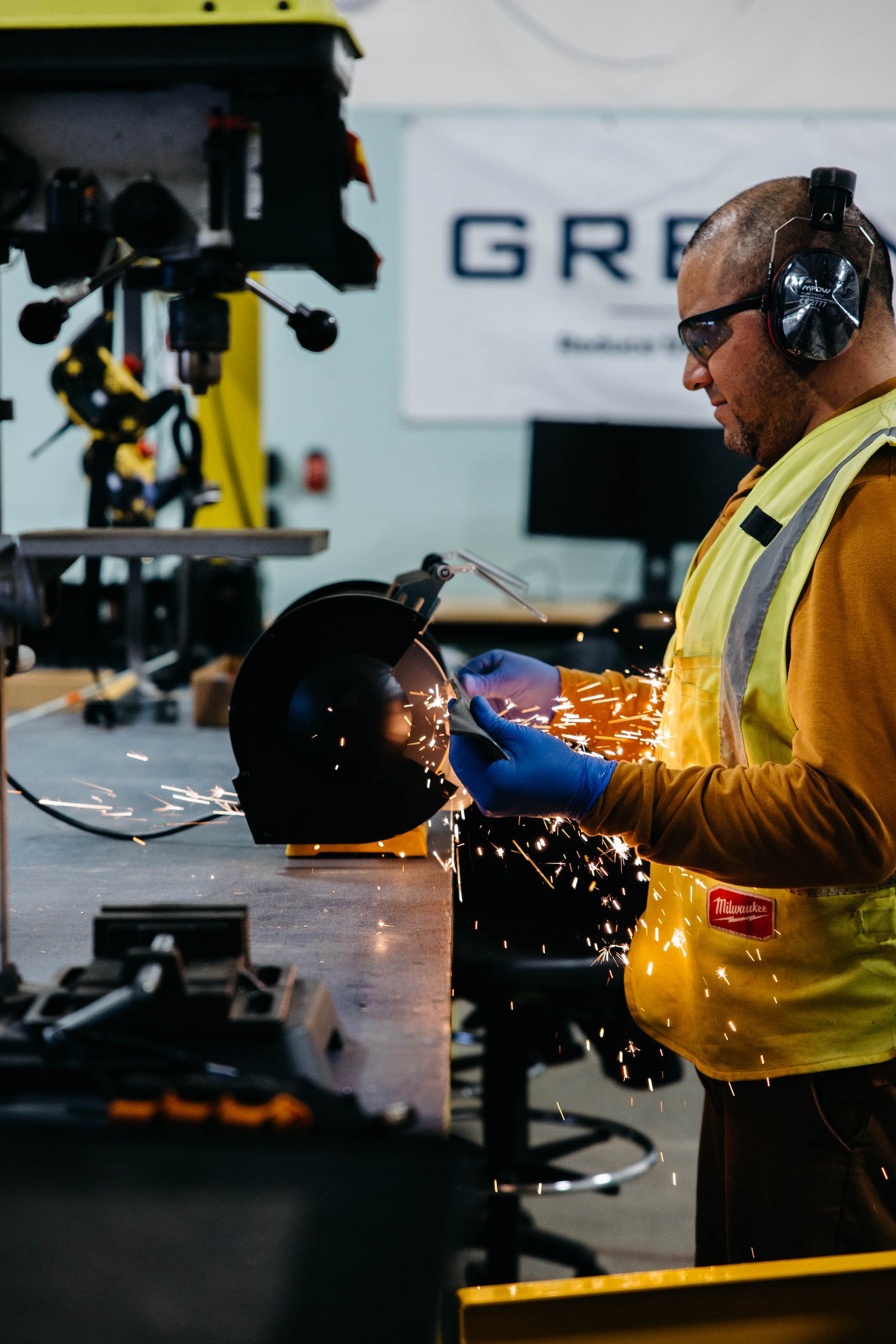
JB: What are the highly repetitive parts of lawn maintenance?
CBQ: Covering the lawn. It’s the back and forth and back and forth in the hot sun, and sometimes rain. It’s maintaining athletic fields, office parks, hospitals, and going out to mow large lawns.
JB: How large? 5 acres? 2 acres?
CBQ: Bigger than 1.2 acres is our sweet spot. If you have less than that, robo-mowers are a great solution for that job.
JB: How has the market been receptive to the product?
CBQ: I’ve never been in a business, where I get nervous to open my email because our contact form goes off every single day with landscapers across the nation who want our product. I don’t send a monthly newsletter anymore, because every time I did, people would respond in writing or calling and say, “when, when, when?”
I’ve never been in a business with this much latent demand.
So we have to work harder and faster.
JB: With that much demand, how do you prioritize it and ultimately satisfy it?
CBQ: We have been intentional about focusing on servicing the largest landscapers and pre-qualifying those landscapers with autonomous site plans to ensure they can get maximum ROI. I will say, landscapers are looking for a lot of help right now.
JB: In 2019, you validated the assumption that with a bit more hardware, powered by software, commercial mowers can be autonomous. In 2020, you landed your first big customer, and partnered with Wright Manufacturing to do the hardware. In 2021, you deployed 12 mowers in the field across multiple customers. Is this an accurate order of events?
CBQ: Correct. I’d also add we made sure to develop industry-wide relationships with the dealer networks.
JB: Is the dealer network important?
CBQ: Extremely important. If you are a commercial landscaper, regardless of your mower maintenance, you need a dealer to help support you in that location with all sorts of machinery and tools to get the job done. They are a vital part of the process. Plugging into the dealer network has been big for us, too.
One other item I’d add is training. We set up a training program for all our customers so they have team members who know how to mow and operate an autonomous mower.
All of this we’ve done in the last 18 months and we are currently on the line at Wright Manufacturing. And now, more manufacturers want to follow in Wright’s footsteps to develop Robotic Ready™ mowers.
JB: What are the bottlenecks to Greenzie’s growth?
CBQ: There is one big bottleneck. We need more mowers that have Greenzie autonomous mowing (aka more Robotic workers). Therefore more manufacturers are jockeying to be the next company in line, after Wright, to partner. The market demand is pulling us. And the market demand is pushing the manufacturers to prioritize their autonomous approach after seeing what Wright has pioneered.
If we can get 100 mowers out in the field in the hands of our customers in 2022, that will be a strong continuation of the momentum.
JB: What is the manufacturer’s hold up?
CBQ: Supply chain, but that issue looks less problematic today than it did three months ago.
JB: Do you have a prediction of Greenzie’s progress three years from now?
CBQ: Well three years ago, we had a little turtle bot drawing field designs on a screen. Fast forward to today, the degree of progress would have been nearly unpredictable. So three years from now, we plan to have thousands of mowers or Robotic workers in the field, which by the way, we already have signed LOIs for.
If you are a smart, hardworking landscaper and you walk into a dealer, and say, “I want that mower”, and the dealer says, “Great, that one has Greenzie Autonomous Mowing already on it.” That landscaper can activate it just like Onstar or Sirius/XM radio. That’s the three year vision.
First the next three years, we have tremendous demand with just lawn maintenance. However, the even bigger opportunity in five to ten years is to have Greenzie’s autonomous software on more outdoor power equipment, not just lawn equipment. We get requests all the time to automate other functionality of outdoor tasks like pavement resurfacing, and lawn and turf care which is different from maintenance.
JB: What does it cost?
CBQ: Somewhere in the $25-30k ballpark for the mower and then $12k / year to use Greenzie’s software to power the Robotic worker.
JB: Does the price change in the summer months versus the winter months when presumably the mower is utilized with different frequencies?
CBQ: Customers are starting to realize that a robotic worker can be used 15 times in one day in August and in November is used once a day for one clean up, but guess what, in March that Robotic Worker is going to be ready to go Day 1. And that price includes all the updates our software has produced making it safer, faster, more efficient, and easier to use. One annual price regardless of how many hours a day you use it.
JB: Can you provide a high-level metric on how much time or acreages the robotics workers mowed in 2021?
CBQ: One customer’s robotic workers mowed over 450 autonomous hours, with some of these pushing 2.5 acres/hr, which is very efficient. These robotic workers are relentless, they don’t stop, don’t get tired, or as some of our customers put it “they don’t call in sick, and no drama on-site.”
That’s actual customer usage on real customer properties.
Also, I’ll add that every time we commit new code for a new feature or just an improvement in safety, efficiency, or just ease-of-use, our robotic workers simulate mowing different jobs with acres and acres of simulated terrain, across our cloud infrastructure, so we’re way over 10,000 hours in simulation.
But nothing beats real-world hours and acreage, which is increasing even as we speak.
JB: How many employees does Greenzie employ now? What are you hiring for now?
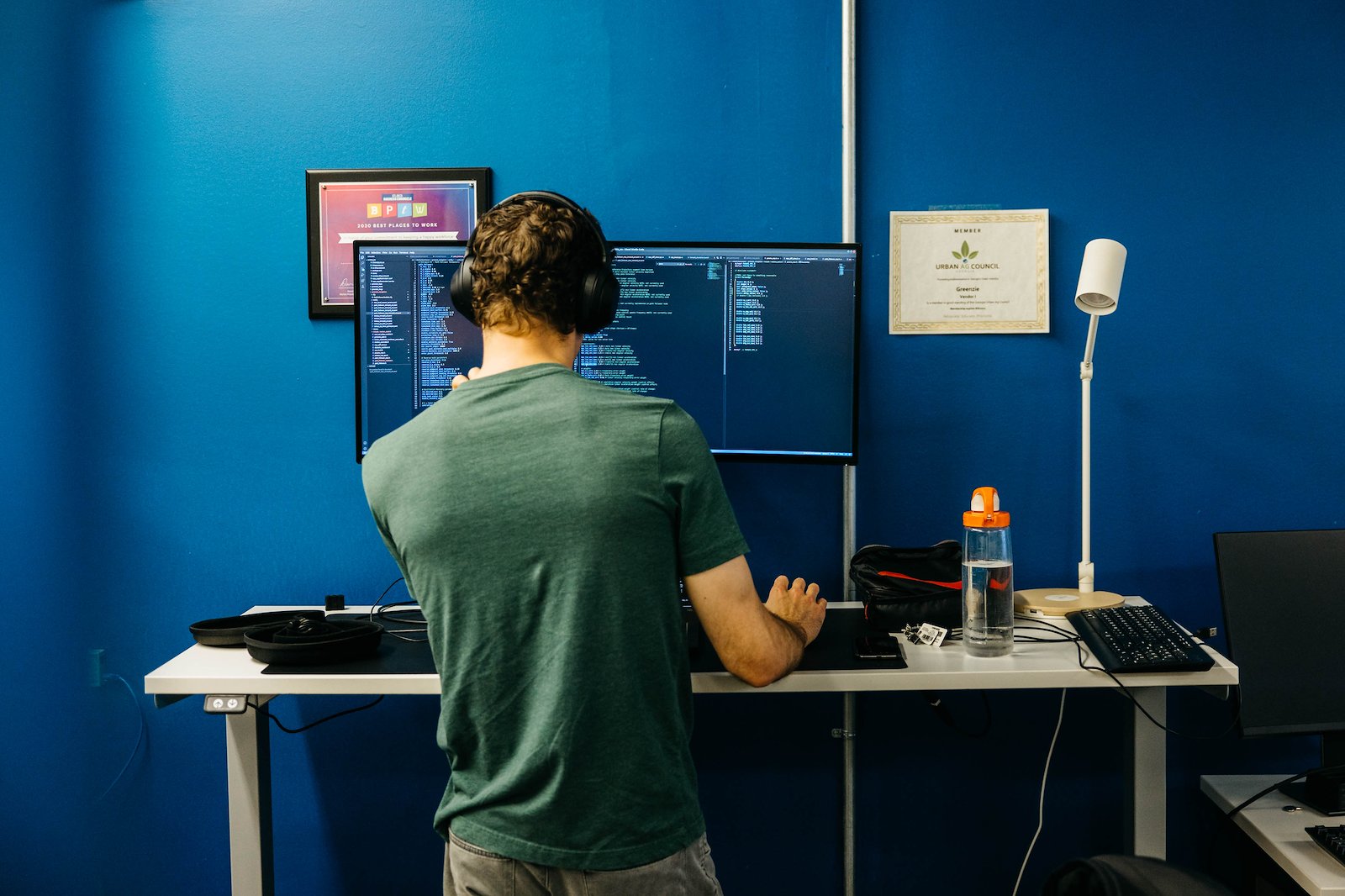
CBQ: We have 16 full time employees. We also have a number of consultants – some of the most talented folks in the robotics industry. Since our last raise, we’ve been hiring with greater velocity. We are hiring for operations, field services, customer support, and always engineers. Our COO, Steve Bush, has helped tremendously to operationalize these efforts and set us up to scale.
JB: What’s been the total investment in Greenzie to date?
CBQ: $7 million to date which includes several industry folks from landscapers, distributors, and Ed Wright of Wright Manufacturing. We are very focused on making sure our software reduces the labor costs as much as possible as mowers come off the factory line. In order to do that, we’re identifying the best manufacturers and prioritizing the ones who want it most, to put our name behind, partner with, and grow the next phase of the business.
JB: What is your 10 year vision?
CBQ: I wake up every morning, knowing we have the best team who believes, fundamentally, that we need to free humans from repetitive outdoor labor, in addition, there are tens of thousands of job openings at these lawn maintenance companies that people do not want to do…these companies can’t even get people to apply for them. By eliminating repetitive outdoor labor of jobs people don’t even want, Greenzie is positioned to build something special and big. And if someone is reading or listening to this and wants to execute in this space with us. Let’s go.
Story by Jon Birdsong